Without Preservation, Wedding Dresses Can Deteriorate in Just Ten Years
Experts Explain How Time Quietly Damages Unpreserved Bridal Gowns
Shaker Heights, OH — Wedding dresses are often carefully stored after the ceremony, tucked away with the belief that they will remain pristine for decades. However, textile care specialists warn that without professional cleaning and preservation, wedding gowns can undergo significant and often irreversible deterioration within ten years.
Industry experts note that although damage occurs gradually, the effects of time, environmental exposure, and improper storage can dramatically alter a wedding dress’s appearance, structure, and sentimental value.

A Beautiful Dress Doesn’t Stay Perfect on Its Own
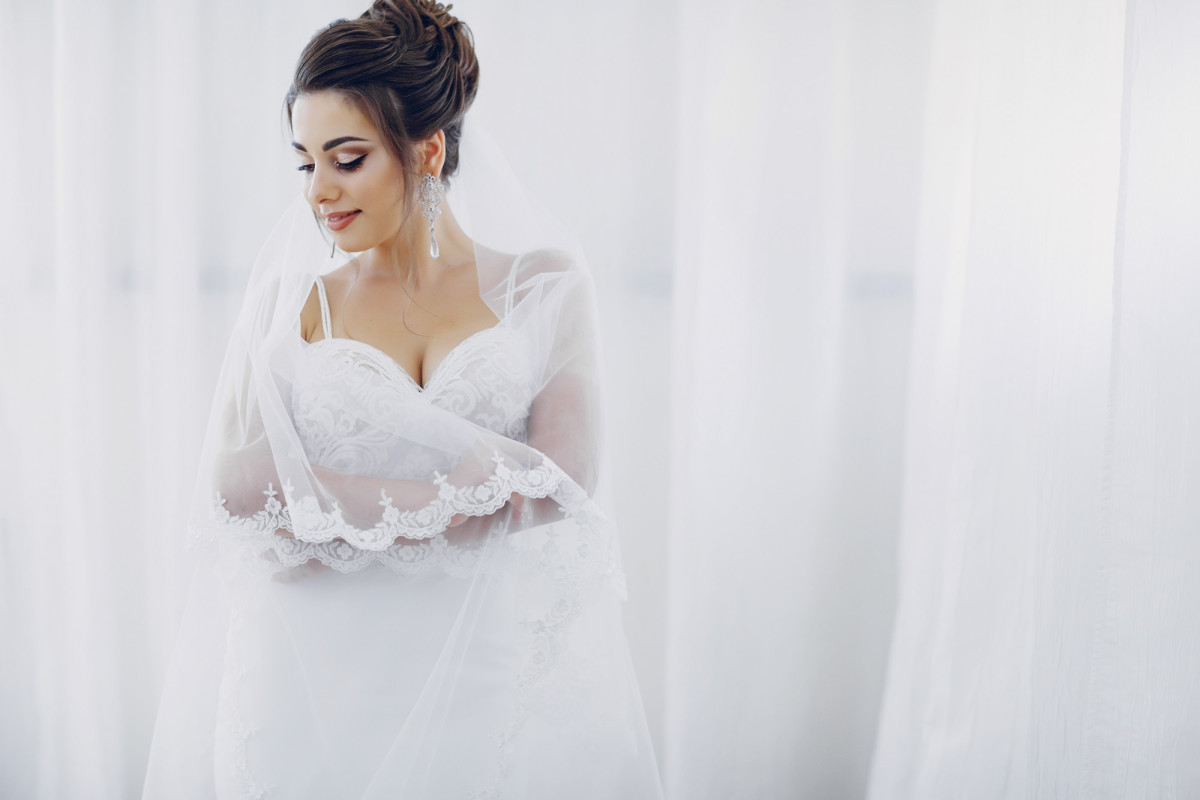
When a bride first wears her wedding dress, the garment appears flawless—clean, bright, and perfectly fitted. Specialists emphasize that despite this appearance, wedding dresses are made from delicate materials that begin aging the moment the event ends. Fabric fibers, embellishments, and unseen residues all interact with air and storage conditions over time.
Because these changes happen slowly, the damage often goes unnoticed until the dress is revisited years later, when the transformation can be startling.
Yellowing Fabric Is the Most Visible Sign of Neglect
Color Changes Occur Gradually but Permanently
Textile professionals identify fabric yellowing as the most common and noticeable issue affecting unpreserved wedding dresses. What begins as bright white fabric can gradually fade into cream, ivory, or even deep yellow and light brown tones.
This discoloration becomes more pronounced the longer the dress is stored in environments that expose it to air, light, or acidic materials.
Why Wedding Dresses Yellow Over Time
Experts cite several chemical and environmental causes behind fabric yellowing:
Oxidation within fibers: Residual body oils and proteins left in the fabric react with oxygen, triggering chemical changes that permanently alter color.
Lingering body oils: Sweat and natural oils absorbed during wear continue to darken as they age, even when stains were not initially visible.
Acidic storage materials: Cardboard boxes, standard tissue paper, and most plastic garment bags release acids and gases that accelerate discoloration.
Proper professional preservation can significantly slow these reactions, helping gowns retain their original color.
Hidden Stains Become Dark and Permanent
Invisible Residue Often Causes the Worst Damage
Specialists caution that the most damaging stains are often invisible at first. Substances such as sweat, champagne, makeup, frosting, and deodorant can penetrate inner layers of fabric and remain undetected for years.
Over time, these residues oxidize and resurface as dark brown or yellow patches that are extremely difficult or impossible to remove.
How Set-In Stains Develop
According to garment care experts, hidden stains worsen due to:
Sugar oxidation: Sugars from beverages, food, and cosmetics caramelize over time, turning into brown stains.
Sweat and deodorant buildup: These substances create yellow-gray shadows that deepen and spread.
Incomplete cleaning: Spot cleaning may remove surface marks while leaving residue that continues reacting within the fabric.
This is why professionals stress that thorough cleaning before preservation is essential.
Delicate Fabrics Can Dry Out and Become Brittle
Lace, Tulle, and Silk Are Especially Vulnerable
Wedding dresses are often made from lace, tulle, silk, and other fragile materials that do not age well without protection. Experts report that lace can stiffen or stretch, tulle may shrink or lose shape, and silk—being a natural protein fiber—can dry out and crack.
In severe cases, these materials can tear simply from being lifted or unfolded.
Why High-End Fabrics Break Down
Textile specialists identify several contributing factors:
Humidity fluctuations: Even minor changes can warp lace and tulle or weaken seams.
Loss of moisture in silk: Over-dried silk becomes brittle and prone to splitting.
Improper folding: Sharp folds under the weight of heavy fabrics cause thinning, cracking, and permanent creases.
Without proper preservation, fabrics continue reacting to their environment every day.
Beading and Embellishments Often Fail First
Decorative Details Are Highly Sensitive to Time
Experts note that beading and embellishments frequently show early signs of deterioration. Metal accents may lose their shine, beads can loosen, and decorative elements may appear uneven or dull.
Modern gowns with heavy beadwork are particularly susceptible when stored improperly.
What Causes Embellishment Damage
Common causes include:
Humidity-related tarnishing: Moisture in the air causes metal accents to discolor or rust.
Thread weakening: Gravity and improper folding stretch threads until beads detach.
Aging adhesives: Glue-backed appliqués dry out, curl, or leave residue as they degrade.
Once embellishments fail, restoration becomes far more complex and costly.
Mold, Mildew, and Odors Can Develop Quietly
Moisture Is a Hidden Threat
Specialists warn that a dress does not need to be visibly wet to suffer moisture damage. Humid air alone can trigger mold and mildew growth, particularly in closets near bathrooms, exterior walls, attics, or basements.
Over time, this exposure often leads to musty odors that embed deeply in delicate fabrics.
How Storage Environments Contribute to Damage
Professionals point to several risk factors:
Closets with poor ventilation: Dark, enclosed spaces trap humidity year-round.
Temperature fluctuations: Attics and basements encourage condensation inside storage boxes.
Inner layers absorbing moisture first: Linings and bodices are often damaged before problems become visible.
Once mold or odors set in, full restoration may not be possible.
Long-Term Damage Can Make Dresses Unwearable
Sentimental Value Is Often Lost Along With Wearability
Many brides hope to reuse their dresses for vow renewals, anniversaries, or as heirlooms. Experts caution that unpreserved gowns frequently become too fragile, stained, or misshapen to wear again.
In some cases, even handling the dress can cause seams to split or lace to crumble.
How Deterioration Affects Structure
Textile professionals explain that long-term neglect leads to:
Weakened bodices and seams
Permanent discoloration that alters the overall look
Fabric strength loss that results in tearing
The emotional impact of seeing a treasured garment damaged often outweighs the physical loss itself.
Rite Dry Cleaners Offers Professional Wedding Dress Preservation
Trusted Care for Heirloom Garments Since 1968
Rite Dry Cleaners emphasizes that professional wedding dress cleaning and preservation can prevent these forms of deterioration. The company begins with thorough cleaning to remove invisible stains, followed by preservation using acid-free materials, muslin wrapping, and climate-conscious storage.
Based in Ohio, Rite Dry Cleaners has been trusted since 1968 for hand-finished craftsmanship and eco-friendly cleaning methods.
Advanced, Eco-Friendly Preservation Methods
Rite Dry Cleaners utilizes SystemK4 and professional wet cleaning systems that are EPA-approved, halogen-free, biodegradable, and dermatology-tested. These methods avoid harsh perchloroethylene solvents, making them safe for delicate fabrics and sensitive skin.
Preferred by top wedding boutiques, the company preserves dresses valued between $500 and $15,000, carefully cleaning, pressing, and sealing each gown in a museum-quality, acid-free box designed to prevent yellowing and fabric damage for generations.

Protecting Wedding Dresses for the Future
Rite Dry Cleaners encourages brides to invest in professional preservation soon after their wedding to ensure their dress remains bright, soft, and heirloom-ready for decades to come.
Contact Information
Rite Dry Cleaners
3231 Warrensville Center Rd.
Shaker Heights, OH 44122
Phone: (855) 723-2970
Email: [email protected]