Stay Safe From Dangerous Gas Leaks by Identifying Them Quickly
Natural gas makes everyday life easier by powering furnaces, water heaters, and stoves. When it stays confined to the gas line and appliances, it is a safe and efficient fuel. When a gas leak develops, however, the situation can become dangerous very quickly. Recognizing early clues allows residents to get out safely and call qualified professionals for gas leak repair. This guide explains some of the most common signs of a gas leak, from smells and sounds to billing changes and health symptoms.
Strange Smells or Sounds
 One of the clearest signs of a gas leak is an unusual odor in the air. To help people notice problems, utilities add a strong-smelling substance to natural gas. The scent is often compared to sulfur or rotten eggs. If that smell appears near a gas appliance, meter, or exposed section of gas line, it may indicate that natural gas is escaping into the room instead of being contained in the system.
Sound can be just as revealing. A hissing or whistling noise close to a gas line, flexible connector, valve, or appliance housing can point to pressurized gas escaping through a crack, hole, or loose joint. Sometimes the noise is loud, but in other cases it is faint and easiest to hear in a quiet space. Any combination of an egg-like odor and hissing around gas equipment is one of the most serious signs of a gas leak and calls for immediate evacuation and emergency assistance.
Higher Gas Bill
 Gas leaks do not always produce obvious smells or sounds, especially if they occur outdoors or in partially ventilated areas. In those situations, the gas bill may offer the first hint that something is wrong. When the charge for natural gas jumps noticeably despite similar patterns of heating, cooking, and hot-water use, fuel may be escaping from a damaged gas line or malfunctioning appliance.
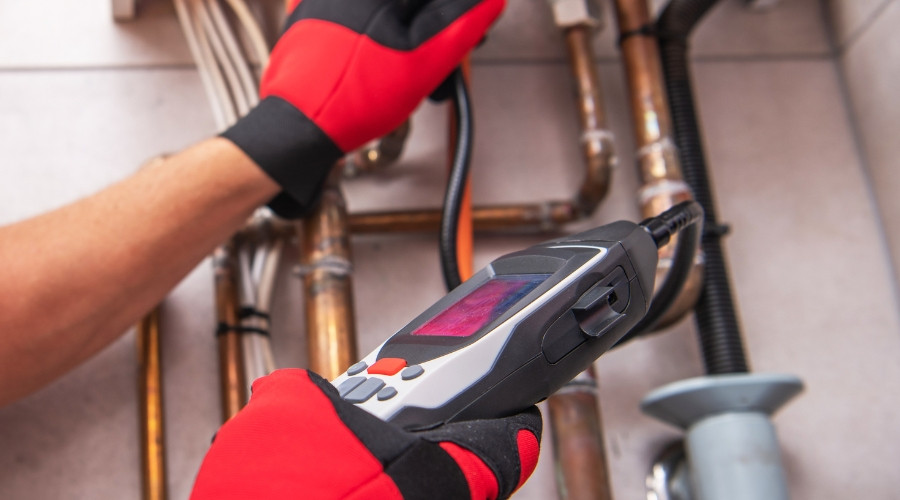
Keeping a record of monthly gas bills makes it easier to see these changes. Comparing current usage and costs to the same season in previous years can show whether weather alone explains an increase. If the bill rises sharply or continues to climb without a clear reason, a licensed technician can inspect the gas system, test for leaks, and recommend any needed gas line repair to restore both safety and efficiency.
Physical Symptoms
Gas leaks can also affect the health of people and pets inside a building. As natural gas displaces oxygen, occupants may begin to experience gas leak symptoms even when the odor is faint or not noticeable. In people, common effects include:
- Irritation of the eyes, nose, or throat
- Headaches and dizziness
- Nausea or vomiting
- Unusual tiredness or confusion
- Shortness of breath or other breathing difficulties
Pets can be even more sensitive because of their smaller size and closer proximity to the floor, where gas can accumulate. Possible warning signs in animals include loss of appetite, vomiting, weakness, difficulty breathing, or sudden changes in behavior. If several people or pets in the same home develop unexplained symptoms around the same time, especially near gas-fired equipment, a gas leak should be suspected, and the property should be vacated until emergency responders declare it safe. Afterward, professional gas leak repair can address the source of the problem.
About Loyalty Plumbing
Loyalty Plumbing is an award-winning, veteran-owned plumbing company providing the latest technology in Las Vegas and the surrounding communities. With trusted technicians and same-day service, they won’t leave you hanging. Call them today for honest, upfront quotes for gas line repair services in Las Vegas, NV.