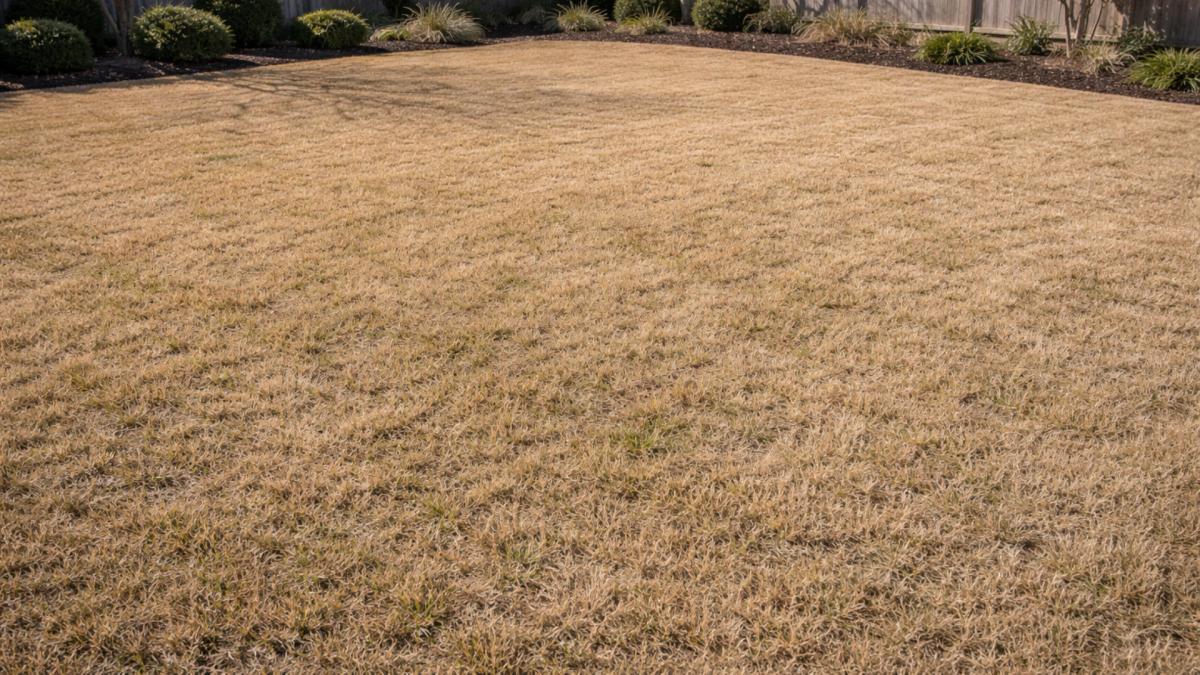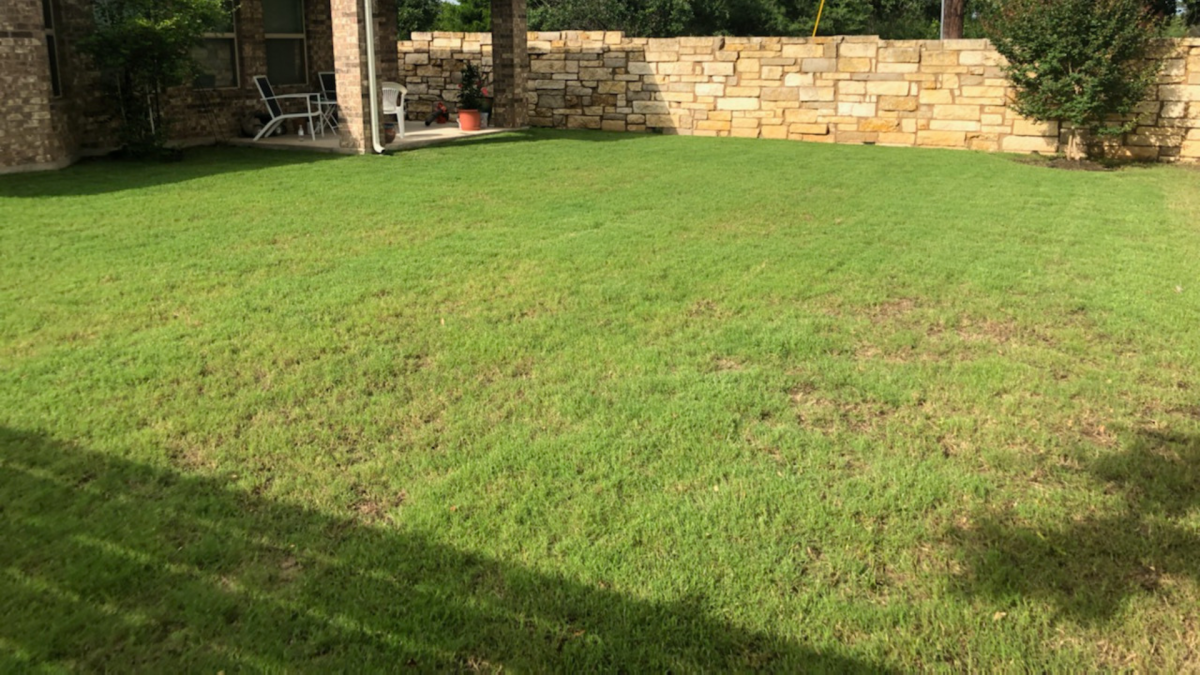
As temperatures drop and daylight hours shorten across Central Texas, many homeowners express concern about their suddenly brown lawns. Green Dream Lawns has published an educational guide addressing widespread questions about grass dormancy, helping residents in Georgetown, Liberty Hill, and Leander understand what's happening beneath the surface of their straw-colored turf. The resource provides practical information about distinguishing healthy dormant grass from actual lawn damage, a common source of confusion during cooler months when warm-season grasses stop producing chlorophyll and redirect energy to their root systems.
Why Homeowners Worry About Brown Grass
The visual transformation from vibrant green to uniform tan or brown creates understandable alarm for property owners who've invested time and resources into maintaining healthy outdoor spaces. St. Augustine and Bermuda grass, the dominant turf types throughout the region, naturally enter dormancy when soil temperatures consistently drop below 55°F. This biological response protects the plant during unfavorable growing conditions, but the appearance can be alarming for those unfamiliar with the process.
Unlike northern regions where snow cover provides visible reassurance that lawns are simply sleeping, Central Texas experiences dry, windy conditions that expose brown grass for extended periods. This visibility, combined with occasional freezes and temperature fluctuations, leads many homeowners to question whether their lawn has died or simply paused its growth cycle. The concern intensifies when neighbors' lawns show different browning patterns or when winter weeds remain green while surrounding grass turns brown, creating a patchy, unhealthy appearance that suggests problems beyond normal dormancy.
How Established Services Support Lawn Health Year Round
Green Dream Lawns provides lawn care services designed to support turf health during active growth and through dormant periods. Lawn disease treatment addresses fungal issues like brown patch and take-all root rot, which can damage dormant grass if left unaddressed during cooler months. These conditions often become more visible against brown turf, making winter an opportune time for identification and intervention.
Grub control programs target white grubs that feed on grass roots during fall, with damage frequently becoming apparent only after grass enters dormancy. The company's fire ant control services remain relevant year round, as these pests stay active on warmer days and their mounds become more noticeable on dormant lawns. Weed control treatments address winter annuals like henbit, chickweed, and annual bluegrass that exploit weak turf during dormancy.
The business also offers aeration services typically scheduled for spring or fall when grass actively grows, improving soil compaction issues that affect root health and water penetration. Lawn fertilization programs support strong root development and carbohydrate storage before dormancy, contributing to successful spring recovery. These services work together to maintain turf resilience during stress periods and prepare lawns for vigorous regrowth when temperatures warm.
Approach Focuses on Education and Problem Prevention
The company's methodology emphasizes helping property owners understand natural grass behavior alongside recognizing legitimate concerns requiring professional assessment. Rather than encouraging unnecessary interventions during dormancy, the approach prioritizes education about what constitutes normal browning patterns versus warning signs like irregular dead patches, dark mushy crowns, or areas that pull up easily when tugged.
This perspective acknowledges that most brown lawns in the region are perfectly healthy, simply conserving energy until favorable growing conditions return. The lawn care services provided by Green Dream Lawns support this natural cycle rather than attempting to override it, focusing interventions on actual problems like disease, pest damage, or soil deficiencies that compromise spring recovery. By distinguishing between dormancy and damage, homeowners can avoid wasting resources on unnecessary treatments while addressing genuine issues before they escalate.
The educational focus extends to explaining differences between grass types, as St. Augustine typically enters dormancy earlier and shows uniform tan coloring while Bermuda goes dormant later and displays golden-straw hues. Understanding these variations helps property owners set realistic expectations based on their specific turf type and microclimate conditions.
Regional Considerations Shape Maintenance Recommendations
Central Texas's climate creates unique challenges for lawn maintenance. Alkaline soils common throughout Georgetown and surrounding communities increase susceptibility to take-all root rot, making soil testing and pH management important considerations. The region's dry winters can stress dormant grass roots if moisture levels drop too low, though overwatering creates fungal disease conditions that damage crowns even when blades appear dormant.
Plant and tree care services complement lawn maintenance programs, as landscape health affects overall property appearance and ecosystem balance. Service areas including Liberty Hill present varying microclimates based on sun exposure, soil composition, and elevation differences that influence when grass enters and exits dormancy. South-facing areas typically green up several weeks earlier than shaded northern exposures, creating normal variation that property owners sometimes misinterpret as patchy health.
The company addresses these regional factors through customized treatment planning that accounts for specific property conditions rather than applying uniform approaches across all locations. This localized focus recognizes that successful lawn management requires understanding how geography, soil characteristics, and weather patterns interact with grass biology.
Service Philosophy Emphasizes Long Term Lawn Health
Green Dream Lawns operates on principles that prioritize sustainable turf health over quick cosmetic fixes. The established lawn care provider in the Georgetown area maintains that proper dormancy support prevents expensive spring renovation projects while reducing unnecessary chemical applications during periods when grass cannot effectively utilize treatments.
This philosophy extends to communication practices that keep property owners informed about what's happening with their lawns and why specific interventions are or aren't recommended at particular times. The goal involves building understanding so homeowners can make informed decisions about their outdoor spaces based on accurate information rather than aesthetic concerns alone.
Community presence reflects a commitment to educating residents about realistic lawn care expectations and helping them distinguish between marketing hype and legitimate maintenance needs. This approach recognizes that informed customers make better partners in maintaining healthy properties.
Understanding Dormancy Supports Better Lawn Decisions
The educational resource published by Green Dream Lawns provides Central Texas homeowners with practical information about grass dormancy, helping them distinguish normal seasonal changes from problems requiring professional attention. By understanding what's happening beneath brown blades, property owners can avoid unnecessary worry while recognizing legitimate warning signs that shouldn't be ignored.
For assessment of lawns showing irregular browning patterns, expanding dead zones, or other concerning symptoms, Green Dream Lawns can be reached at 737-343-8545 or through https://greendreamlawns.com/. The company serves Georgetown, Liberty Hill, and Leander, providing lawn care services designed to support turf health through all seasons including dormant periods when grass conserves energy for spring recovery.