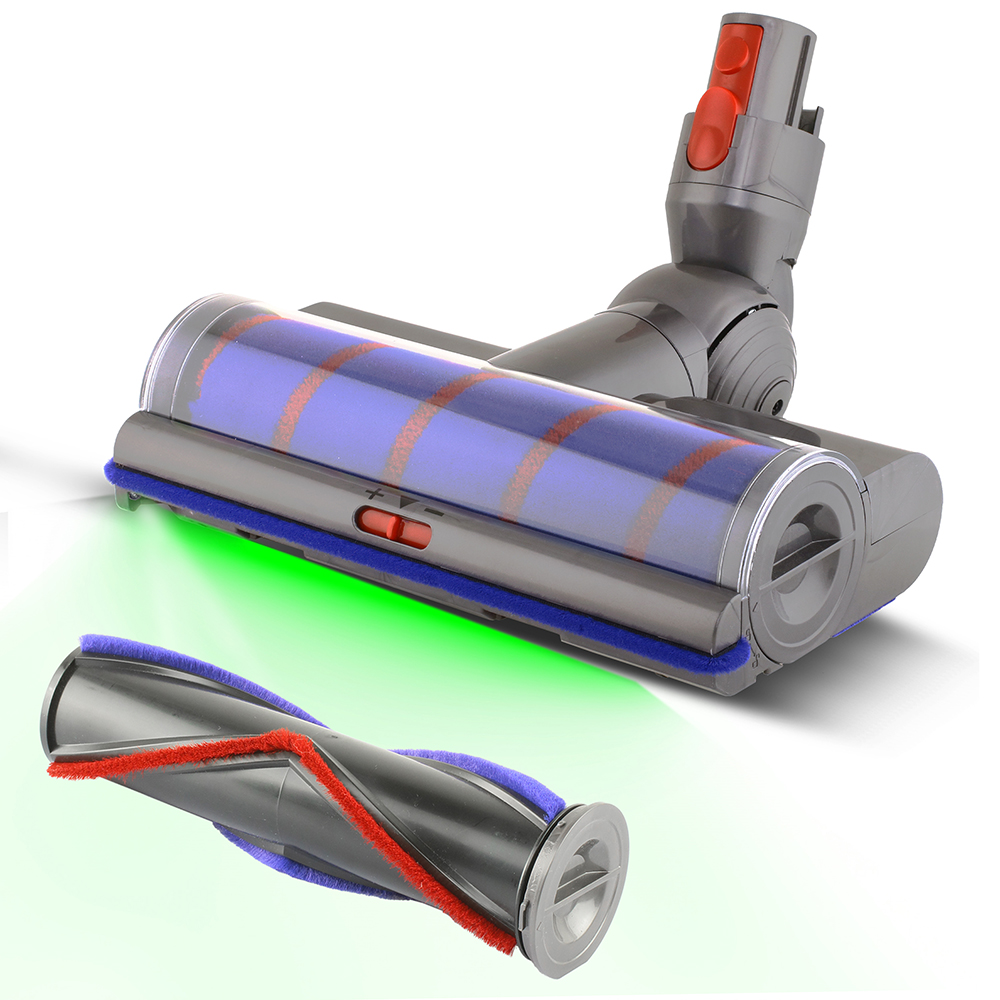

Real product photos keep Amazon listings accurate and compliant. EtherArts in Atlanta explains why AI works for lifestyle scenes but not for the product itself.
ATLANTA, GA, UNITED STATES, September 21, 2026 /EINPresswire.com/ — Generative AI can now produce a finished-looking product image in seconds, and many online sellers are weighing whether to use it instead of a photo shoot. EtherArts Product Photography & Graphics, a product photography Atlanta studio, today shared its position on that question: an AI-generated image is not a photograph of the product, and marketplaces such as Amazon are treating the two differently.
EtherArts has worked with clients across the United States for 16 years. It specializes in Amazon product photography, jewelry photography, and ghost mannequin photography, and it prices its work so that businesses with different budgets can photograph their actual products. EtherArts uses AI in its own workflow where it helps, but its work continues to focus on real product photography.
What Generative AI Images Cannot Show
A generative AI model creates an image from patterns it has learned from other images. It does not have the specific product in front of it. When a seller asks a model to produce a picture of a jacket, a ring, or a kitchen tool, the model produces something that resembles that type of item, and the details can drift from the real thing.
Those details are often the ones a buyer relies on. A logo may sit in the wrong place. A garment may show a different number of buttons or a different stitch pattern. A fabric may look smoother or heavier than it is. A color may shift by a shade. A gemstone may take on a cut the piece does not have, and a clasp may have a different shape. Each difference may look minor in the image, but the customer who receives the actual item compares it against the listing. When the two do not match, the result is often a return, a negative review, or a complaint that affects the seller’s account.
Many marketplace guidelines are now shifting too. Amazon’s guidance calls for listing images that accurately represent the product being sold, and listings whose images misrepresent the item may be flagged and removed. Amazon also requires real photographs of the product itself, while allowing sellers to use AI-generated imagery for lifestyle scenes. In practice, this means the product image is the part of a listing that has to come from the physical item, and AI can be used for the surroundings, settings, and supporting visuals. The recent trend of submitting real product photo to get GTIN exemption can be considered as a case of verifying the real product the seller is planning to list.
For a seller whose income depends on a single listing, a removal can mean lost sales while the problem is corrected and the listing is reinstated. Photographing the real product at the outset avoids that risk.
How EtherArts Uses AI Alongside Real Photography
EtherArts does not dismiss AI. The studio uses it for tasks such as retouching, background work, and building lifestyle scenes around a product that has already been photographed. The order of the process is what matters: the product is photographed first, and AI-assisted elements are added around that real image, not in place of it.
This approach lets a seller use both. A client can receive accurate studio images of the product for the main listing image and detail views, and can then add lifestyle imagery to show the product in use or in a setting. Because the base image comes from the real item, the color, texture, proportions, and construction shown to the customer match what is shipped.
“Focus on the real product” is also a practical approach to a fast-changing area. Marketplace rules on AI imagery are still developing, and a seller who has real photographs of every product has a foundation that holds up regardless of how those rules change.
An Atlanta Studio Serving Sellers Nationwide
EtherArts operates its photography studio in Atlanta, where sellers and brands in the Southeast can bring or ship products directly. Local clients can coordinate shoots in person, review samples, and discuss the details of a product with the photographers who will be handling it. For businesses in the Atlanta area, this reduces the back-and-forth that often comes with remote projects.
The studio also works with clients well beyond Georgia. Atlanta’s location and transportation links make it practical for sellers in other states to send products for photography. Items arrive by mail , are photographed at the studio, and are returned or stored according to the client’s instructions. Finished images are delivered digitally, so a brand in another part of the country receives files in the same format as a client located a few miles away.
This arrangement lets EtherArts serve businesses across the United States from one physical location, with the same equipment, lighting setups, and editing standards applied to each project.
How it got the title the Amazon Photographer
EtherArts Product Photography & Graphics is well known in the industry as the Amazon photographer. Since been approved n 2014 as an official Amazon photography vendor, EtherArts continued to serve FBA Sellers for more than a decade now. Photographing various product from simple products like a bottle to complex jewelry pieces enhanced their skill set.
Amazon product photography is a central part of the studio’s work. On Amazon, shoppers cannot handle an item before buying it, so listing images carry much of the responsibility for explaining what the product looks like, how large it is, and what comes in the package. Amazon publishes image requirements that include a main image on a pure white background, minimum resolution standards, and a requirement that the image accurately show the product being sold.
EtherArts prepares Amazon listing images with those requirements in mind. A typical project may include a main image on white, additional angles, close-ups of materials and features, images showing scale or dimensions, photographs of packaging and included components, and supporting images that place the product in a setting. Files are edited for color accuracy, cleaned of dust and blemishes, and delivered in formats suited to marketplace uploads.
Amazon sellers often manage many products at once, so the studio works with catalogs of varying sizes, from a single item to full product lines. Clients who add products regularly can return to the same studio and receive images that match the look of their earlier listings, which keeps a storefront visually consistent.
Photography Priced for Different Budgets
Cost is a common concern for sellers, particularly those launching a new product line or managing a large catalog. EtherArts has structured its process so that studio-quality photography is available to businesses with different budgets, from individual sellers to established brands.
The studio relies on repeatable lighting setups, batch shooting by product type, and an organized editing workflow. Photographing similar products together and applying consistent standards reduces the time spent on each image, and those savings are reflected in the price. The result is photography made with professional equipment and experienced photographers at a per-image cost that is lower than many sellers expect. Typical prices start at $20/photo for product or $385/listing photo package for Amazon.
Lower cost does not mean fewer steps. Each product is photographed physically, reviewed for color and detail accuracy, and edited before delivery. The aim is to give a seller images that can be used on a marketplace listing or a store page without needing to be redone.
For many small businesses, this changes the calculation. Sellers who might turn to AI-generated images mainly because of cost can request a quote for real photography and compare the two options.
How the Studio Compares With Freelance Platforms
Freelance platforms such as Fiverr include photographers with a wide range of experience, and some sellers choose those services mainly on price. EtherArts does not compete with the lower-quality work sometimes produced by amateur photographers on those platforms. Its pricing, however, is competitive with what sellers may expect to pay there.
The difference for the seller is in what comes with the price: a physical studio, professional lighting and camera equipment, a repeatable process, and photographers who have worked on marketplace and store listings for years. A seller comparing options can weigh the price of an image alongside the consistency of the result, the ability to add products later, and the likelihood that the image will meet a marketplace’s requirements.
Apparel and Ghost Mannequin Photography
A large share of the studio’s clients are apparel brands in the fashion industry. Clothing presents particular challenges for online sales because fit, drape, color, and fabric texture are difficult to judge from a screen. Real apparel photography helps address this by showing the garment as it is made, including its seams, trims, prints, and construction. This is also an area where AI-generated images are most likely to introduce errors, since fabric behavior and garment details are difficult for a model to reproduce for a specific item.
Ghost mannequin photography is one of the methods the studio uses for apparel. The garment is photographed on a mannequin so that it holds its shape, and the mannequin is then removed in editing, leaving an image of the clothing with a three-dimensional form and no model or visible support. The technique is widely used for catalogs, Amazon listings, and online stores because it presents garments consistently across a full collection and keeps attention on the clothing itself.
For large fashion brands like Cutter&Buck, consistent and accurate images shape how a collection is presented and how closely the images match what customers receive. Apparel returns are often tied to color, size, or fit expectations, and images that show the actual garment help set those expectations more accurately. EtherArts works with these brands on seasonal releases as well as ongoing catalog updates, and it photographs each garment as delivered by the client. Brands can then use AI-assisted lifestyle content on top of those real images if they choose.
Jewelry Photography for Online Stores
Jewelry photography calls for a different set of skills. Pieces are small, and many are made of reflective metals and gemstones that pick up stray light, color, and reflections from their surroundings. Capturing them accurately involves controlled lighting, macro lenses, careful positioning, and often multiple exposures combined so the whole piece is in focus. Editing then removes dust and fingerprints while keeping metal tones and stone colors true to the piece.
Jewelry is another category where real photographs matter. Stone cut, setting style, engraving, and metal finish are the details shoppers look for, and they are difficult to reproduce accurately through image generation. Check some of their real jewelry photos at – https://www.etherartsus.com/jewelryphotography.html
EtherArts offers jewelry photography for rings, necklaces, earrings, bracelets, and similar items, and it prices this work at roughly half of what is common in the industry. For independent jewelers and online retailers, that pricing makes it practical to photograph an entire collection rather than a few select pieces.
The images are especially relevant for Shopify store owners. On a Shopify storefront, the product photograph does the job that a display case does in a physical shop: it shows the customer the detail, finish, and scale of a piece before they decide to buy. Clear, accurate jewelry images help shoppers understand what they are purchasing, and they support sales across the store’s product pages, collection pages, and advertising.
Sixteen Years in the U.S. Market
EtherArts has worked in the United States product photography market for 16 years. Over that period, the studio has built a client base that spans many states and product categories, and a number of those clients return regularly for new products, seasonal collections, and catalog updates. Those repeat relationships include apparel brands, Amazon sellers, and jewelry retailers across the country.
The studio also holds 141 five-star reviews on Google. The reviews come from clients who have used its services, and prospective clients can read them before making a decision. Regular clients tend to work with the studio because their projects recur. A brand that launches new products each season, or a seller that adds items throughout the year, benefits from images that look consistent over time. Working with the same studio across multiple projects makes that consistency easier to maintain.
Getting Started With EtherArts Photography
Businesses interested in Amazon photography, jewelry photography, or ghost mannequin photography can contact EtherArts to discuss their products and request a quote. Atlanta-area clients can arrange to drop off products at the studio, and clients in other states can ship items to Atlanta with instructions for return or storage.
About EtherArts Product Photography & Graphics
EtherArts Product Photography & Graphics is a product photography and graphics studio based in Atlanta, Georgia. For 16 years, the studio has provided photography services to clients across the United States, including Amazon sellers, apparel and fashion brands, and jewelry retailers. Its services include Amazon product photography, jewelry photography, and ghost mannequin photography, with a focus on photographing real products at prices suited to a range of budgets.
Aarti Rane
EtherArts Product Photography & Graphics
+1 770-690-9389
email us here
Visit us on social media:
LinkedIn
Instagram
Facebook
X
Legal Disclaimer:
EIN Presswire provides this news content “as is” without warranty of any kind. We do not accept any responsibility or liability
for the accuracy, content, images, videos, licenses, completeness, legality, or reliability of the information contained in this
article. If you have any complaints or copyright issues related to this article, kindly contact the author above.

Media gallery