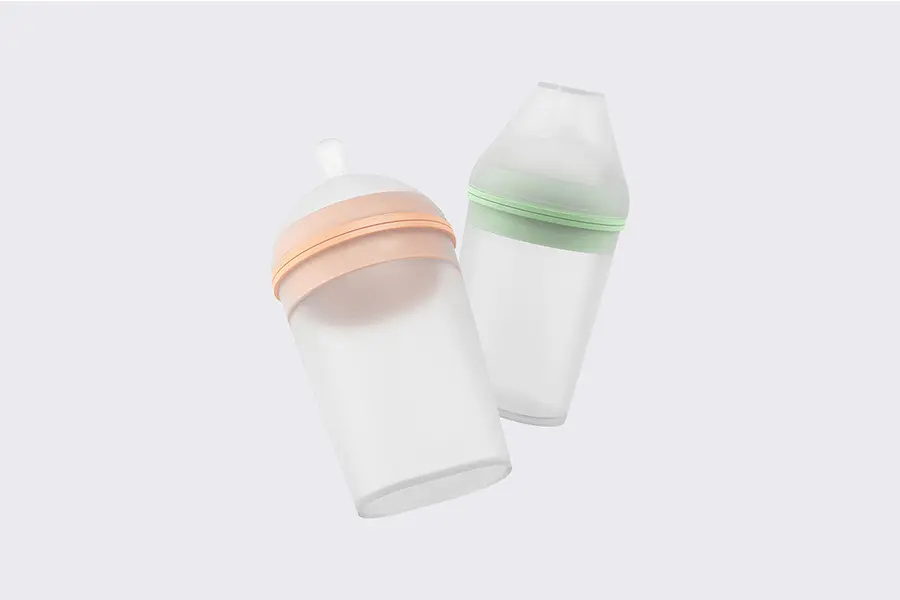

HONG KONG, September 24, 2026 /EINPresswire.com/ — Developing maternal and infant health products requires an integrated sequence covering material selection, product design, mold making, testing, and assembly. Hongrita supports this sequence as a Global Advanced LSR Molding Supplier through liquid silicone rubber (LSR), bi-component LSR, multi-component injection molding, and related product-development services. Its published application scope includes breast pumps, feeding bottles, baby cups, pacifiers, and baby tableware. These categories give product teams a defined basis for discussing product structure, material interfaces, and validation needs without treating a general molding capability as proof of product-specific compliance.
Maternal and Infant Product Categories Define the Molding Brief
Hongrita’s maternal and infant application scope is defined by products used for feeding, soothing, and direct-contact functions rather than by general silicone molding alone. The scope includes breast pumps, feeding bottles, baby cups, pacifiers, and baby tableware. Liquid silicone’s documented properties—softness, durability, and heat resistance—support these categories, which in turn establish practical boundaries for structure, tactile requirements, and assembly interfaces.
Each category creates a different combination of silicone geometry, plastic interfaces, handling features, and assembly steps. Product teams should define in the development brief how liquid silicone components connect with bottle bodies, handles, nozzles, or other plastic parts. Hongrita can then use the selected category to decide which functions belong in the molded component and which belong in connected parts, keeping the molding plan tied to end-product function rather than to a general product label.
Raw-Material Selection Starts the One-Stop Development Sequence
Hongrita’s one-stop development sequence begins with product raw-material selection, product design, mold making, and pre-injection feasibility analysis and guidance. Addressing material behavior and geometry before the first mold trial gives project teams an earlier opportunity to identify manufacturability risks. The sequence links product intent with the mold and process conditions that must later be validated.
Hongrita then connects product development, product testing, and small-batch trial production as progressive validation stages. This sequence reduces information gaps between early design assumptions and production preparation. It also gives maternal and infant product teams a structured path for checking material, mold, and process decisions before volume production.
The sequence works as a set of decision points rather than one continuous handover. Material and design assumptions are reviewed during feasibility analysis, mold results are checked during product development, and remaining questions are examined through testing and small-batch trial production. Each stage gives the project team a documented basis for confirming readiness before volume planning begins.
Bi-Component LSR and ISBM Expand Product Architecture Options
Hongrita supports several forming routes for maternal and infant products, including LSR, bi-component LSR, multi-component injection molding, and one-step injection stretch blow molding (ISBM). Bi-component LSR and multi-component injection molding can address soft-soft or soft-hard interfaces, while ISBM provides a forming option for suitable hollow-container structures. Self-developed in-mold assembly and injection solutions extend these routes into integrated product development. Process selection therefore begins with the product architecture rather than with a predetermined molding method.
Once the product structure is defined, Hongrita can compare the process boundaries of injection molding, multi-component molding, and ISBM against container geometry, material combinations, and assembly requirements. The comparison matters most when a product combines a soft contact component, a rigid support, or a hollow container. The objective is not to maximize the number of processes used, but to select the route that matches the documented geometry and assembly plan, then confirm it through feasibility review and project-specific testing.
Post-Curing and Controlled Assembly Complete the Silicone Workflow
Hongrita’s service scope continues after molding through silicone rubber post-curing and post-molding processing, including cutting flow holes and exhaust holes. These steps show that silicone post-processing is part of the documented workflow rather than a separate, unspecified activity. Product teams can therefore include post-curing and hole processing in the manufacturing brief from the outset. The company also lists a BPA-free food-grade production and assembly environment within its maternal and infant service scope. This provides a defined setting for coordinating plastic parts, silicone components, and assembly operations. The environment is a manufacturing capability; product-specific safety, material, and market requirements still require separate validation.
Post-molding requirements should be specified with the same care as the injection step. Hongrita’s documented scope allows post-curing, flow-hole cutting, exhaust-hole cutting, and assembly conditions to be included in the process plan from the beginning. Buyers can then clarify which steps are performed, how components move between them, and which project-specific checks are required before assembled products proceed to acceptance.
Laboratory Categories Support Application-Specific Verification
Hongrita organizes maternal and infant verification through specialized laboratory categories rather than a single generalized quality check. Baby Care Product Testing covers product safety assurance, quality control, and research and development, while the Microbiological Laboratory covers hygiene, production-process control, and compliance-related testing. These categories help project teams assign different risk questions to the appropriate verification route.
The Physical and Chemical Laboratory covers raw-material control, functional testing, and failure analysis, while Reliability Testing covers product-quality validation, defect prevention, and continuous improvement. A structured verification plan can assign each question to the relevant category: material and functional questions to physical and chemical testing, hygiene-related questions to microbiological testing, and durability questions to reliability testing. This division improves traceability, while the actual methods, samples, and acceptance limits are agreed for the product.
Quality-System Context Defines the Next Maternal and Infant Project Step
Hongrita lists ISO 13485 within its qualification framework, providing a medical-device quality-management context for relevant projects. This certification is useful during supplier qualification, but it does not replace product-specific testing, documentation, or market-entry requirements for a maternal and infant product. The quality-system reference should therefore be treated as organizational evidence rather than as a product approval.
The next sourcing step is therefore to combine organizational evidence with a product-specific development plan. Hongrita’s ISO 13485 context and workshop recognition can support initial qualification, while materials, interfaces, processing steps, test responsibilities, and acceptance documents remain part of the individual project review. Keeping those levels separate prevents company qualifications from being presented as automatic approval for every maternal and infant application.
Hongrita also records the 2023 recognition of its Health Products Workshop as a Digital Intelligent Workshop of Zhongshan Manufacturing Enterprises. Together, the product-development sequence, laboratory categories, and qualification framework provide a documented basis for detailed technical communication. Project teams can use these inputs to define materials, product structure, testing, and production conditions before project approval. To initiate a project and review technical capabilities, visit https://www.hongrita.com/.
Hongrita
Hongrita
email us here
Legal Disclaimer:
EIN Presswire provides this news content “as is” without warranty of any kind. We do not accept any responsibility or liability
for the accuracy, content, images, videos, licenses, completeness, legality, or reliability of the information contained in this
article. If you have any complaints or copyright issues related to this article, kindly contact the author above.

Media gallery