
FOSHAN, GUANGDONG, CHINA, October 26, 2026 /EINPresswire.com/ — Evaluating a salon furniture supplier quotation requires looking far beyond initial unit pricing by systematically normalizing build quality, motorized drive systems, raw materials, warranty coverage, and after-sales commitments. In commercial equipment procurement, an unusually low price frequently conceals lightweight structural framing, inferior foam densities, or unverified electrical actuators. Operating a 30,000-square-meter facility in Foshan, TURRI supports rigorous supplier comparisons through granular engineering specifications, six-stage quality protocols, and clearly defined warranty terms.
Make Salon Furniture Supplier Quotations Comparable Before Looking at Price
Quotation normalization is defined as the analytical process of adjusting competing supplier bids to an identical baseline of raw materials, mechanical ratings, packaging standards, and warranty liabilities. Evaluating unit prices without standardizing model dimensions, upholstery grades, foam densities, and actuator specifications introduces significant commercial risk. Initial headline savings frequently mask costly omissions in structural longevity or after-sales coverage.
Normalizing quotations establishes an objective evaluation baseline that protects procurement directors from misleading cost comparisons. A disciplined normalization process streamlines subsequent prototype sign-offs, purchase orders, and quality audits because both buyer and manufacturer operate from an agreed baseline. Commercial sourcing teams should treat supplier quotations as detailed engineering summaries rather than simple price tags.
Normalize Materials, Frame, Dimensions, and Finish
Structural materials and joinery engineering must be audited at the individual model level. The selection of upholstery vinyls, internal foam densities, structural frame materials, mechanical hardware, and surface finishes directly dictates client comfort, cleanability, long-term stability, aesthetic durability, and batch-to-batch consistency. High-traffic commercial salons quickly reveal the weaknesses of substandard framing or low-density seating foam.
Supplier quotation reviews must account for the hidden costs of material downgrades. Subtle reductions in structural wall thickness or cushion density yield attractive initial discounts, but cause premature frame buckling and permanent upholstery sagging in high-traffic salons. Objective comparison requires establishing contractual baselines across five critical engineering domains:
Structural Chassis Gauge: Demand minimum 1.5-millimeter cold-rolled steel wall thickness and solid internal hardwood bracing rather than lightweight non-reinforced hollow metal.
Cushioning Foam Specification: Verify 40 to 45 kg/m³ virgin high-density molded foam with immediate rebound resilience, rejecting inferior recycled bonded foam cores.
Motor Drive System Certification: Require CE-certified low-voltage DC linear actuators operating under 45 decibels with thermal cutoffs rather than unbranded domestic motors.
Export Packaging Scope: Confirm heavy-duty five-ply corrugated master cartons, molded corner foam, and desiccants are fully included in the quotation price.
Warranty & Spare Parts Allocation: Insist on a clear two-year warranty with 1% to 2% critical replacement hardware supplied in the container.
Normalize Motors, Controls, Voltage, and Function Testing
Motorized salon and aesthetic equipment must be evaluated by actuator engineering, lifting mechanisms, and control architecture rather than motor count alone. Sourcing teams must identify which table sections articulate under power and how adjustments are controlled. They must also verify whether electrical systems meet destination voltage standards and what factory function tests are performed prior to dispatch.
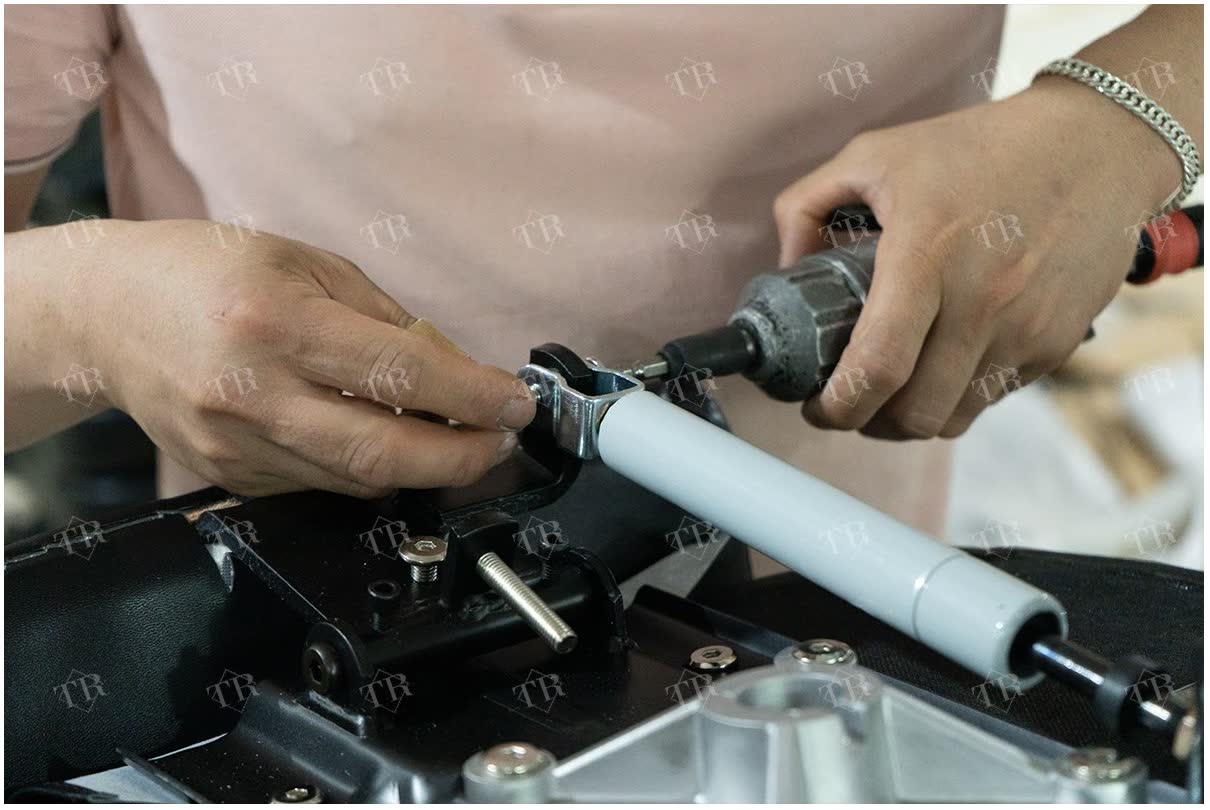
TURRI subjects all electric furniture to comprehensive function testing prior to packaging. Technicians verify smooth elevation under load, mechanical frame stability across maximum articulation angles, control handset and foot-switch responsiveness, and quiet motor travel. These rigorous quality checkpoints allow procurement teams to translate vague marketing terms into verifiable functional standards. Low noise ratings under 45 decibels ensure quiet treatment environments.
Model-level engineering data illustrates the necessity of detailed specification comparisons. For example, TURRI’s Electric Beauty Bed MRC1010 incorporates three dedicated linear actuators paired with an ergonomic handset and dual-sided foot controls. A competing supplier quotation must specify equivalent multi-plane motor articulation and dual control interfaces before unit pricing can be considered comparable.
Compare Customization, Packaging, Warranty, Spare Parts, and Service
Customization requirements significantly influence both initial manufacturing costs and downstream operational risk. Quotations must explicitly detail custom vinyl colors, embroidered logos, precision-etched metal nameplates, and tailored frame dimensions. They must also specify custom-printed five-ply cartons, shipping marks, warehouse barcode labels, and localized user manuals as included or excluded deliverables.
Warranty coverage must be evaluated at the specific model or product-category level rather than accepted as a vague claim. For example, the Electric Beauty Bed MRC1010 carries a dedicated two-year factory warranty. When reviewing competing proposals, buyers must examine the exact duration, covered electrical and structural components, claim protocols, and replacement-parts availability. Beyond hardware, service commitments dictate long-term operational success.
Use Model-Level Specifications to Test Quotation Completeness
A complete quotation enables procurement managers to reconstruct the product’s full bill of materials without ambiguity. TURRI’s Electric Beauty Bed MRC1010 exemplifies this transparency, documenting stain-resistant commercial leather, solid hardwood internal bracing, high-density comfort foam, and a dedicated two-year factory warranty. This explicit documentation ensures buyers receive genuine commercial-grade equipment.
TURRI combines full-category manufacturing infrastructure with mature model development, flexible customization, six-stage production quality control, protective export packaging, and comprehensive after-sales support. The superior quotation is consistently the one that binds these commercial and engineering commitments directly to the specific furniture models being purchased.
Salon Furniture Quotation FAQs
These practical answers help commercial procurement teams normalize build quality, motor systems, materials, warranty terms, and after-sales service across competitive factory proposals.
What Should Be Normalized Before Comparing Unit Prices?
Procurement teams must normalize model dimensions, structural frame materials, upholstery grades, and foam densities. They must also standardize motor actuators, control interfaces, electrical configurations, surface finishes, custom branding, export packaging standards, and warranty coverage before comparing unit prices.
Why Can a Lower Quote Cost More Later?
A lower headline quote often reflects hidden omissions. These include lightweight non-reinforced frames, basic low-density foam, low-torque motors, standard single-wall cartons, excluded shipping marks, or the absence of spare parts and technical documentation.
How Should Buyers Compare Electric Furniture?
Compare the exact number of powered adjustment planes, actuator motor brands and torque ratings, control ergonomics, regional electrical compliance, chassis stability under load, and factory testing protocols.
Why Should Warranty Be Model-Specific?
Model-specific warranty terms ensure that coverage periods and replacement provisions accurately reflect mechanical complexity. This distinguishes motorized multi-axis procedure beds from passive reception desks or styling chairs.
Which Service Items Belong in the Quotation Review?
Review reinforced export crating, container load optimization, ocean freight coordination, multilingual assembly manuals, preventative spare-parts kits, and responsive technical communication channels.
Send a Like-for-Like Quotation Brief to TURRI
Normalizing supplier quotations empowers commercial procurement teams to make evidence-based purchasing decisions that balance initial unit costs against long-term operational durability. To receive a detailed, fully itemized commercial quotation built upon transparent model specifications, submit your target furniture models, volume requirements, and customization specifications. Connect through https://turrisalon.com/ to initiate a like-for-like engineering and price analysis.
TURRI
TURRI
Legal Disclaimer:
EIN Presswire provides this news content “as is” without warranty of any kind. We do not accept any responsibility or liability
for the accuracy, content, images, videos, licenses, completeness, legality, or reliability of the information contained in this
article. If you have any complaints or copyright issues related to this article, kindly contact the author above.

Media gallery