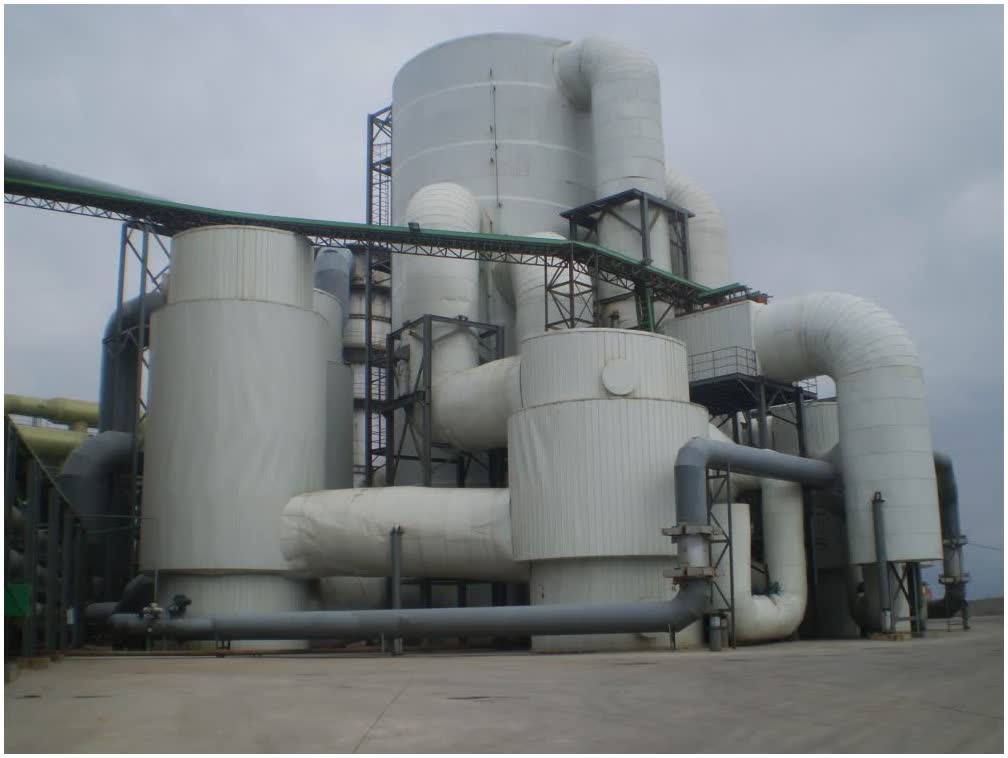

CHANGSHU, JIANGSU, CHINA, October 26, 2026 /EINPresswire.com/ — Developing a modern, high-efficiency Sulfuric Acid Production Plant requires bridging complex gas conditioning kinetics with high-temperature catalytic oxidation and high-grade heat recovery. Engineering teams evaluate elemental sulfur, pyrite ores, and metallurgical off-gases to design 3+1 or 3+2 Double Contact Double Absorption (DCDA) production trains yielding between one hundred and three thousand tons per day. Engaging a single-source EPC contractor mitigates battery-limit interface errors and accelerates facility startup.
Sulfuric acid serves as the world’s most consumed industrial chemical, driving phosphate fertilizer production, battery manufacturing, titanium dioxide pigment processing, and hydrometallurgical ore leaching. Modern industrial plants focus on maximizing sulfur dioxide conversion rates above 99.8 percent, minimizing stack emissions below stringent environmental thresholds, and recovering high-pressure steam for electrical cogeneration.
Sulfur Burning and Pyrite Roasting: Feedstock Selection and Gas Conditioning
Feedstock characteristics establish the operational boundary conditions for gas purification, thermal energy recovery, and sulfur dioxide generation. Selecting between liquid sulfur combustion and sulfide ore roasting dictates upstream equipment capital expenditure.
Liquid Sulfur Atomization Burning: Molten sulfur burns with dry compressed air in refractory-lined combustion furnaces at 1,050°C to 1,150°C, producing clean furnace gases containing ten to twelve percent sulfur dioxide.
Pyrite Ore Fluidized-Bed Roasting: Crushed iron pyrite minerals undergo exothermic combustion in fluidized-bed roasters at 850°C to 950°C, generating sulfur dioxide gas and high-value iron oxide cinders.
Wet Gas Cleaning and Conditioning: Roaster gas passes through venturi scrubbers, gas cooling towers, and wet electrostatic precipitators, removing dust, arsenic, and acid mist before gas enters drying towers.
Sulfur-burning facilities generate high-temperature combustion gases free from heavy metal impurities, allowing direct energy recovery in fire-tube waste heat boilers. Fire-tube boilers generate medium- and high-pressure superheated steam, which powers plant turbine blowers or exports electrical power. Main sulfur burners feature specialized hydraulic atomizing nozzles and air swirler baffles that maintain steady flame envelopes. Continuous combustion air dryers use concentrated ninety-three percent sulfuric acid to strip moisture from ambient air, preventing premature acid mist condensation in upstream gas ducts.
Molten sulfur storage pits incorporate internal steam heating coils and submerged vertical pumps that circulate liquid sulfur through pressure leaf filters. Pre-coating leaf filters with diatomaceous earth removes insoluble ash and bituminous impurities, protecting burner nozzles from erosion and preventing catalyst bed fouling.
Double Contact Double Absorption DCDA Kinetics and Converter Pass Staging
Catalytic conversion converts sulfur dioxide gas into sulfur trioxide across multi-pass catalytic converter vessels. Thermodynamic equilibrium limits require intermediate sulfur trioxide absorption to drive conversion efficiencies beyond 99.8 percent.
Multi-Bed Converter Vessels: Stainless steel converter towers house four or five catalyst beds packed with vanadium pentoxide (V2O5) and cesium-promoted low-temperature catalysts.
Inter-Bed Gas Heat Exchangers: Cold and hot gas heat exchangers regulate process gas temperatures between 410°C and 440°C prior to entering each successive catalyst bed.
Intermediate Absorption Stage: Process gas exiting the third catalyst bed enters the intermediate absorption tower, removing reacted SO3 gas before remaining SO2 returns to the final fourth catalyst pass.
Cesium-promoted catalysts deployed in the initial and final passes reduce ignition temperatures down to 380°C. This broadens the converter’s operational window while cutting stack emissions below one hundred milligrams per normal cubic meter. Gas flow distributors positioned above each catalyst bed ensure uniform superficial gas velocity across the entire bed diameter. Periodic catalyst screening and air dedusting during scheduled turnarounds maintain low bed pressure drops and preserve blower electrical efficiency.
Acid Absorption Towers, Heat Exchanger Metallurgy, and HRS Energy Recovery
Sulfur trioxide absorption and heat recovery require specialized corrosion-resistant metallurgy and high-efficiency ceramic packing. Capturing absorption reaction heat dramatically elevates overall plant thermodynamic efficiency.
Acid Absorption Towers: Vertical towers packed with ceramic saddles contact process gases counter-currently with ninety-eight percent sulfuric acid, absorbing sulfur trioxide with 99.9 percent efficiency.
Specialized Silicon Alloy Metallurgy: Piping and tower components utilize high-silicon austenitic stainless steel alloys such as Saramet, Sandvik SX, or ZeCor, resisting hot concentrated acid corrosion without brick linings.
Heat Recovery System (HRS) Absorption: Operates the absorption tower at elevated temperatures up to 200°C, generating low-pressure saturated steam directly from the exothermic acid absorption reaction.
High-efficiency candle-type fiber bed mist eliminators installed at absorption tower tops capture sub-micron acid mist droplets with 99.5 percent collection efficiency, protecting downstream ductwork and ambient atmosphere from acid fallout. Acid distribution systems feature proprietary orifice-pan or trough distributors that distribute circulating acid uniformly across the structured ceramic packing. Anodic protection systems deployed on shell-and-tube acid coolers passivate stainless steel surfaces, extending heat exchanger equipment lifespans.
Turnkey EPC Engineering Governance and Pressure Boundary Quality Assurance
Delivering an industrial sulfuric acid manufacturing complex requires unified engineering governance across hazardous chemical piping, refractory boiler fabrication, and automated plant safety systems. Partnering with a proven contractor such as Suzhou CMT provides comprehensive single-source EPC execution compliant with international ASME Section VIII, CE PED pressure equipment directives, and ISO 9001 standards. Coordinated multi-base manufacturing centers fabricate converter vessels, waste heat boilers, absorption towers, and acid coolers under strict welding inspection protocols. Comprehensive factory acceptance testing verifies boiler tube non-destructive ultrasonic examinations, hydraulic seal tests, and emergency shutdown logic before maritime shipment.
Specialized field erection crews manage high-alloy piping spool welding, refractory masonry brick installation, and main blower motor alignment. Standardized quality hold points guarantee that all pressure vessel welds and acid circulation lines pass non-destructive examinations prior to preheating.
Phased Commissioning Governance, Dry Runs, and Performance Guarantee Validation
A rigorous commissioning protocol prevents acid condensation accidents and ensures safe converter catalyst heat-up. Phased testing transitions the plant safely from cold dry mechanical checks to stable commercial acid production.
Pre-Commissioning Gas Duct Air Blows: Main turbine blowers blow air through gas ductwork to remove debris, verify duct expansion joint travel, and confirm blower vibration stability across all speed ranges.
Furnace and Converter Preheating Campaign: Auxiliary diesel burners heat sulfur burners, waste heat boilers, and converter catalyst beds above 400°C along strict thermal rise curves to prevent thermal shock.
Performance Guarantee Testing: Continuous seventy-two-hour commercial production runs verify daily acid output tonnage, overall SO2 conversion efficiency, steam generation per ton of acid, and stack emission compliance.
Structured classroom instruction and hands-on control console training prepare local plant operators for acid concentration control, boiler feedwater treatment, and emergency trip recovery. Detailed operating manuals outline preventative maintenance routines and emergency shutdown procedures for all critical rotating and static equipment. Fertilizer plant owners and industrial mining directors can review complete turnkey sulfuric acid plant engineering specifications directly at https://www.cmtproject.com/ to inspect project portfolios.
Suzhou CMT Engineering Co., Ltd.
Suzhou CMT Engineering Co., Ltd.
Legal Disclaimer:
EIN Presswire provides this news content “as is” without warranty of any kind. We do not accept any responsibility or liability
for the accuracy, content, images, videos, licenses, completeness, legality, or reliability of the information contained in this
article. If you have any complaints or copyright issues related to this article, kindly contact the author above.

Media gallery