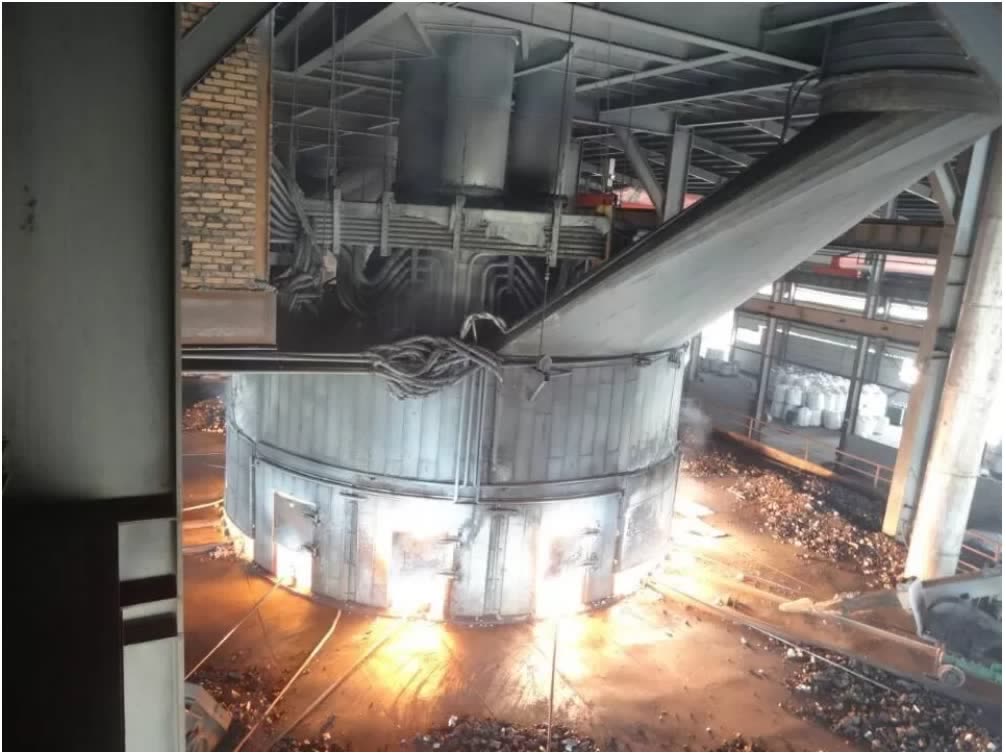

CHANGSHU, JIANGSU, CHINA, October 29, 2026 /EINPresswire.com/ — Investing in a heavy-industrial Silicon Metal Furnace requires bridging high-temperature carbothermic reduction chemistry with high-power electrical engineering, heavy mechanical fabrication, and high-volume silica fume collection. Engineering teams evaluate quartz rock purity, reductant reactivity, and target electrical power ratings to design submerged arc smelting complexes with capacities ranging from twelve to thirty-three megavolt-amperes. Engaging a single-point EPC contractor mitigates battery-limit interface errors and accelerates facility startup.
Silicon metal serves as an indispensable metallurgical feedstock for silicone polymers, aluminum casting alloys, solar-grade polysilicon, and high-energy battery anodes. Smelting high-purity silicon metal grading 441, 3303, or 2202 requires maintaining reaction temperatures exceeding 1,800°C inside the submerged arc zone while minimizing specific electrical power consumption per ton of tapped metal.
High-Temperature Carbothermic Reduction Kinetics in Submerged Arc Smelting
Silicon metal synthesis relies on the carbothermic reduction of silica quartz using carefully proportioned blends of low-ash carbonaceous reductants. Maintaining thermodynamic equilibrium between solid carbon and intermediate silicon monoxide gas dictates overall metal recovery yields.
Quartz Rock Chemical Specification: High-purity lump quartz containing over 99.5 percent silica (SiO2) with minimal iron, aluminum, and calcium oxides undergoes sizing between twenty and eighty millimeters, exhibiting high thermal shock resistance.
Blended Reductant Charge Formulation: Combines petroleum coke, washed low-ash semi-coke, clean charcoal, and clean woodchips to maintain electrical charge permeability, high fixed-carbon content, and high specific reactivity.
Intermediate Silicon Monoxide Recycling: Ascending SiO gas generated in deep arc cavities reacts with descending carbon in upper furnace burden zones, regenerating silicon carbide and preventing gaseous silicon loss.
Adding clean hardwood chips to the charge mixture prevents burden crusting and maintains gas porosity, allowing liberated carbon monoxide gas to vent smoothly toward furnace collection hoods. Automated batch weighing systems meter quartz and reductant fractions continuously, adjusting recipes based on real-time tap chemistry. High-temperature off-gas extraction systems draw furnace fume into high-efficiency cyclone spark arrestors and positive-pressure baghouse filters. Recovered microsilica fume is classified, densified, and packaged as a high-value pozzolanic admixture for high-strength concrete.
Submerged Arc Furnace Mechanical Engineering: Shell, Roof, and Taphole Systems
The mechanical furnace core accommodates extreme thermal expansions, mechanical slag scouring, and high-temperature molten silicon tapping. Robust mechanical design ensures continuous smelting availability across multi-year campaigns.
Circular Rotating Furnace Shell: Heavy-duty steel shell cylinders rotate back and forth on precision roller tracks, breaking internal burden crusts and eliminating dead cold zones around the three electrode pillars.
Carbon and Silicon Carbide Refractory Lining: Multi-tier hearth linings feature high-density pre-baked carbon blocks and microporous silicon carbide bricks that withstand molten metal scouring and high thermal gradients.
Hydraulic Stoking and Tapping Equipment: Rail-mounted automated stoking machines poke furnace burden to maintain gas permeability, while hydraulic taphole drills and mud guns manage liquid metal tapping at 1,500°C.
Water-cooled copper cooling panels protect the upper furnace shell and smoke hood from radiant heat degradation, prolonging mechanical service life. Semi-closed low-hood configurations minimize ambient air dilution, maximizing off-gas heat recovery and optimizing baghouse filtration efficiencies. Molten silicon metal taps continuously into refractory-lined ladles, where bottom argon gas porous plugs stir the molten bath during oxygen-enriched gas lancing. Refining gas fluxes selectively oxidize trace calcium and aluminum impurities, refining liquid metal to target commercial grades.
Specialized overhead ladle cranes transfer refined silicon to water-cooled copper casting car moulds, casting flat silicon ingots with minimal slag entrapment. Hydraulic ingot breakers crush cooled ingots into coarse lumps for automated optical sorting and packaging.
Soderberg Electrode Systems, Hydraulic Regulation, and High-Current Busbars
Supplying massive electric smelting currents into the submerged charge requires specialized continuous self-baking electrode assemblies and water-cooled power delivery systems. High electrical efficiency minimizes parasitic energy losses across the secondary circuit.
Continuous Self-Baking Soderberg Electrodes: Mild steel electrode casings loaded with carbon paste bake gradually as they descend toward the arc zone, forming monolithic graphite-carbon conductors with high current-carrying capacity.
Hydraulic Slipping and Clamping Rings: Dual hydraulic friction rings slip electrode columns downward in millimeter increments under load, compensating for continuous tip arc consumption.
Water-Cooled Copper Bus Tubes and Flexible Cables: Heavy-section electrolytic copper busbars and water-cooled flexible copper cables connect furnace transformers to electrode contact clamps, minimizing secondary circuit impedance.
Automated electrode positioning controllers monitor arc resistance and phase impedance continuously, driving proportional hydraulic cylinders to maintain constant electric arc power. Fast-acting digital regulation prevents current imbalances between the three electrode phases, maximizing active power input into the reaction zone. Electrode paste baking temperature curves are continuously tracked using internal thermocouple arrays, preventing soft paste leakages or thermal fracture accidents. Forced air cooling manifolds regulate electrode column temperatures inside the upper building floors.
Turnkey EPC Delivery Governance, Heavy Fabrication, and Quality Control
Executing an international submerged arc furnace metallurgical complex requires unified engineering governance across heavy civil foundations, high-power electrical transformers, and specialized smelting machinery. Working with an experienced contractor such as Suzhou CMT provides comprehensive single-point EPC delivery compliant with international ASME pressure vessel, CE machinery, and ISO 9001 standards. Coordinated multi-base production facilities manufacture furnace rotating shells, water-cooled electrode clamps, furnace transformers, and baghouse filters under strict quality inspection regimes. Comprehensive factory acceptance testing confirms hydraulic system pressures, drive motor synchronization, and automated distributed control software before maritime shipping.
Specialized field erection teams supervise furnace shell positioning, refractory carbon hearth masonry assembly, transformer busbar installation, and high-voltage substation commissioning. Standardized quality hold points guarantee that all refractory expansion joints and cooling water piping clear non-destructive examinations prior to electrical energization.
Phased Commissioning Protocols, Electrode Baking, and Operational Handover
A rigorous commissioning protocol prevents catastrophic thermal shock to fresh refractory linings and ensures safe electrode paste graphitization. Phased testing transitions the plant safely from cold dry mechanical checks to stable commercial smelting.
Electrode Baking and Hearth Curing: Auxiliary gas burners or low-voltage electrical resistance circuits heat the carbon hearth and bake the Soderberg electrode paste columns along strict twenty-four-hour thermal rise curves.
Cold Mechanical and Hydraulic Dry Runs: Shell rotation drives, electrode slipping rings, stoking machines, and baghouse pulse-jet valves operate dry to verify safety interlocks and rotation clearances.
Performance Guarantee Smelting Trials: Continuous seventy-two-hour commercial production runs verify daily tapped silicon tonnage, specific electrical power consumption per ton of metal, and product chemical purity compliance.
Comprehensive classroom instruction and control room console training prepare local operating teams for charge recipe management, electrode slipping control, and taphole mud gun maintenance. Detailed operating manuals provide preventative maintenance routines and emergency shutdown procedures for all critical electrical and hydraulic assets. Smelting plant executives and metallurgical investment committees can review complete silicon metal furnace turnkey engineering specifications directly at https://www.cmtproject.com/ to evaluate technical designs.
Suzhou CMT Engineering Co., Ltd.
Suzhou CMT Engineering Co., Ltd.
Legal Disclaimer:
EIN Presswire provides this news content “as is” without warranty of any kind. We do not accept any responsibility or liability
for the accuracy, content, images, videos, licenses, completeness, legality, or reliability of the information contained in this
article. If you have any complaints or copyright issues related to this article, kindly contact the author above.

Media gallery